
Dubai is establishing a structured foundation for tokenized real estate investments through regulatory oversight, digital asset frameworks, and institutional participation. Property developers, asset managers, and investment firms are evaluating tokenization as a mechanism to broaden investor access, facilitate fractional ownership, and create new capital formation opportunities within the property sector.
The Dubai Land Department’s Real Estate Tokenization Project is expected to contribute AED 60 billion (approximately $16 billion) to Dubai’s real estate market by 2033, accounting for nearly 7% of total real estate transactions. As tokenized property offerings enter the market, compliance with DLD regulations, VARA requirements, SPV structures, and investor onboarding standards has become a critical consideration for platform operators and issuers.
This article explains the regulatory framework supporting real estate tokenization in Dubai, the respective roles of the Dubai Land Department and VARA, the importance of Special Purpose Vehicles (SPVs) in asset structuring, and the investor compliance requirements organizations must address when launching tokenized real estate projects.
Build Institutional-Grade Real Estate Investment Platforms in Dubai
Why Dubai Is Emerging as a Global Hub for Real Estate Tokenization
Key Factors Driving Dubai's Leadership in Real Estate Tokenization:
- Dubai’s real estate market recorded approximately 270,000 transactions worth AED 917 billion ($250 billion) in 2025, making it one of the world’s most active property investment markets. The scale of underlying real estate activity provides a substantial asset base for tokenization platforms, issuers, and investment firms.
- Dubai is among the first jurisdictions where real estate authorities, virtual asset regulators, and financial stakeholders are actively participating in the tokenization ecosystem. This alignment reduces operational uncertainty and provides a clearer pathway for launching compliant tokenized property offerings.
- Dubai’s property market offers access to high-value residential, commercial, hospitality, and mixed-use assets that can be fractionalized and distributed to a broader investor base. This creates opportunities for asset owners to unlock new liquidity channels without divesting entire properties.
- The emirate’s international investor base strengthens the commercial viability of tokenized real estate offerings. Developers and asset managers can attract capital from global investors through digital investment structures supported by recognized regulatory frameworks.
- Dubai’s focus on digital infrastructure, smart government initiatives, and blockchain adoption creates a favorable environment for integrating tokenization platforms with property management, investor onboarding, compliance monitoring, and asset administration systems.
Dubai Real Estate Tokenization Regulatory Framework: DLD, VARA, and Other Key Authorities
Real estate tokenization in Dubai is supported by a regulatory framework that combines property governance, virtual asset oversight, financial compliance, and investor protection. For businesses launching tokenization platforms, understanding the role of each authority is critical for structuring compliant offerings, obtaining approvals, and mitigating operational risks.
Authority | What It Regulates | Key Consideration for Tokenization Platforms |
DLD | Property ownership and title records | Verification of underlying real estate assets and ownership rights |
VARA | Virtual asset activities in Dubai | Licensing requirements for token issuance, trading, and custody services |
CBUAE | Financial compliance and AML controls | KYC, transaction monitoring, sanctions screening, and fund flow compliance |
SCA | Investment and securities activities | Assessment of whether tokenized assets qualify as regulated securities |
Dubai Land Department (DLD)
Virtual Assets Regulatory Authority (VARA)
UAE Central Bank (CBUAE)
Securities and Commodities Authority (SCA)
The Role of SPVs in Dubai Real Estate Tokenization Projects
1. Creating a Legally Recognized Ownership Structure
2. Enabling Fractional Investment Opportunities
3. Protecting Assets Through Structural Separation
4. Supporting Investor Rights and Revenue Distribution
5. Strengthening Regulatory and Compliance Readiness
Tokenize Dubai Property Assets With Regulatory Compliance
Investor Compliance Requirements for Tokenized Real Estate in Dubai
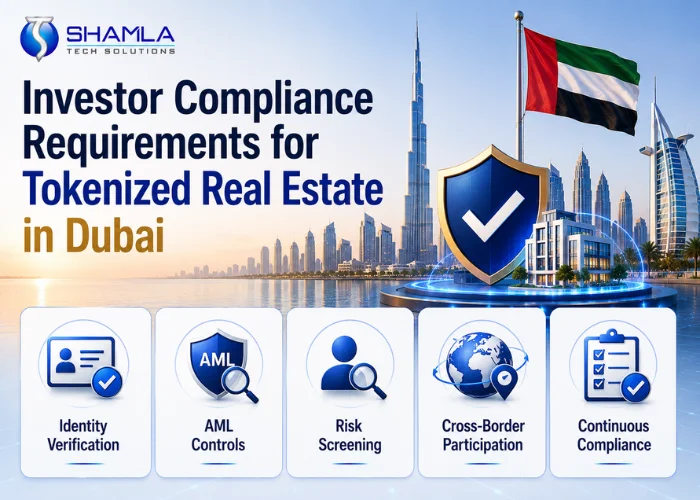
Completing KYC Verification Procedures
Meeting Anti-Money Laundering (AML) Obligations
Undergoing Sanctions and Risk Screening
Complying With Cross-Border Investment Requirements
Maintaining Ongoing Compliance Throughout the Investment Lifecycle
Bottom Line
Dubai’s approach to real estate tokenization reflects a broader effort to integrate property markets with regulated digital asset infrastructure. Through the involvement of the Dubai Land Department (DLD), VARA, financial regulators, and structured ownership vehicles such as SPVs, the emirate has established a framework capable of supporting institutional-grade tokenized real estate offerings.
For developers, asset owners, and platform operators, long-term success will depend on more than token issuance alone. Regulatory alignment, investor compliance, asset governance, and operational transparency will remain central to building credible tokenization ecosystems that attract capital, support investor confidence, and facilitate sustainable market participation.
Build Compliant Dubai Real Estate Tokenization Platforms with Shamla Tech Solutions
Shamla Tech Solutions develops end-to-end real estate tokenization platforms tailored to regulatory, operational, and investor requirements. From asset onboarding and token issuance to investor management and compliance workflows, we help organizations build scalable infrastructures for tokenized property investments in Dubai and other global markets.
Our team combines expertise in blockchain development, digital asset platforms, smart contracts, and RWA tokenization solutions to support complex real estate projects. Whether you are launching a new investment platform or tokenizing existing property portfolios, we deliver technology frameworks designed for security, compliance, and long-term growth.