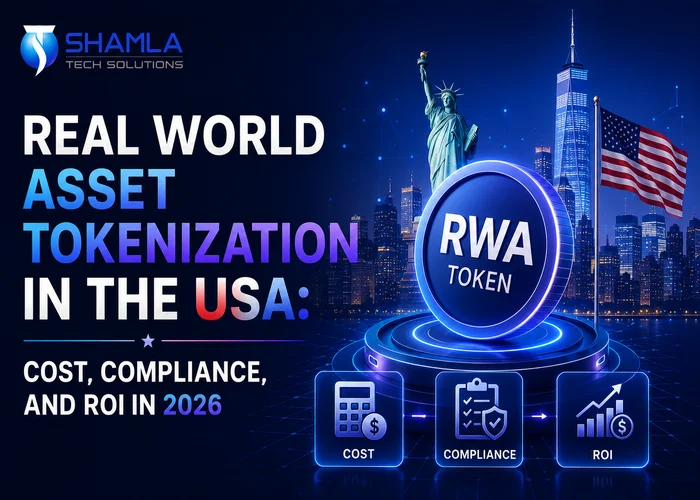


New channels for cross-border capital formation are changing how property ownership is structured, enabling fractional participation in high-value assets across jurisdictions. Tokenization gives institutions and asset issuers a more precise mechanism to package, distribute, and govern real estate investment access.
Across 40+ jurisdictions, regulators and financial ecosystems are actively shaping frameworks for tokenized assets, reflecting serious institutional commitment toward digital asset infrastructure. This momentum strengthens the case for a secure real estate tokenization platform capable of managing compliance, investor onboarding, and cross-border asset administration.
This article explains how tokenized real estate investments are reshaping cross-border wealth building, the strategic benefits they offer international investors, the operational infrastructure required for issuance and management, and the regulatory considerations influencing global real estate tokenization initiatives.
Build Compliant Infrastructure For Cross-Border Property Investment
How Tokenized Real Estate Investments Remove Traditional Cross-Border Investment Barriers
How Tokenized Infrastructure Eliminates Legacy Cross-Border Friction:
- Traditional international transfers still carry significant transaction inefficiencies, with the World Bank reporting an average global remittance cost above 6%, highlighting how legacy cross-border financial rails continue to create friction in capital movement. Tokenized settlement frameworks introduce greater transaction efficiency for globally distributed investors.
- Cross-border property participation has historically required fragmented coordination across brokers, custodians, legal advisors, payment intermediaries, and regional compliance teams. Tokenized real estate investments consolidate issuance, ownership management, compliance workflows, and investor access within a unified digital asset infrastructure.
- Illiquidity has traditionally limited international investor participation in premium real estate markets, particularly where capital commitments remain high. Fractional tokenization restructures asset accessibility, enabling diversified allocation strategies across multiple jurisdictions without requiring concentrated exposure to single property acquisitions.
- Jurisdiction-specific onboarding requirements often delay investor participation through repetitive KYC, accreditation verification, and documentation workflows. A purpose-built real estate tokenization platform standardizes onboarding architecture, enabling compliant participation frameworks that scale across international investor networks.
- Secondary market optionality has historically remained constrained in cross-border real estate structures due to transfer complexity and administrative overhead. Tokenized ownership models introduce programmable transfer mechanisms that support more structured liquidity pathways, improving portfolio flexibility for globally distributed investment participants.
Key Benefits of Tokenized Real Estate Investments for International Investors
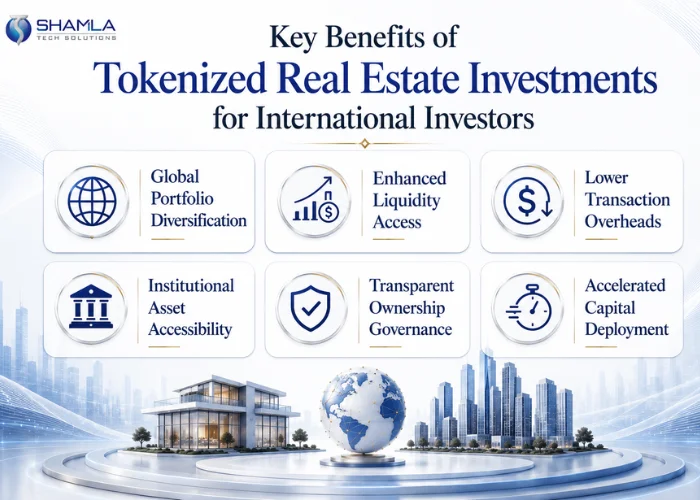
1. Portfolio Diversification Across High-Growth Global Markets
2. Improved Liquidity for Traditionally Locked Real Estate Capital
3. Reduced Transaction and Intermediary Cost Exposure
4. Access to Institutional-Grade Assets with Lower Entry Thresholds
5. Greater Transparency in Ownership Governance and Asset Reporting
6. Faster Capital Deployment Across International Investment Opportunities
Compliance, Security, and Regulatory Considerations in Cross-Border Real Estate Tokenization
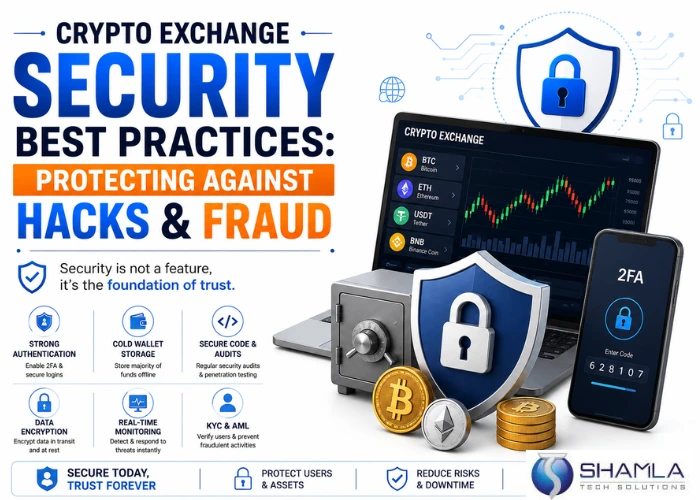
Cross-border real estate tokenization requires regulatory precision, not generic digital asset infrastructure. Institutional participation depends on compliant issuance structuring, jurisdiction-aware investor governance, and enterprise-grade security controls. For enterprises, execution credibility is defined by legal defensibility, operational resilience, and investor protection architecture.
Consideration | Why It Matters |
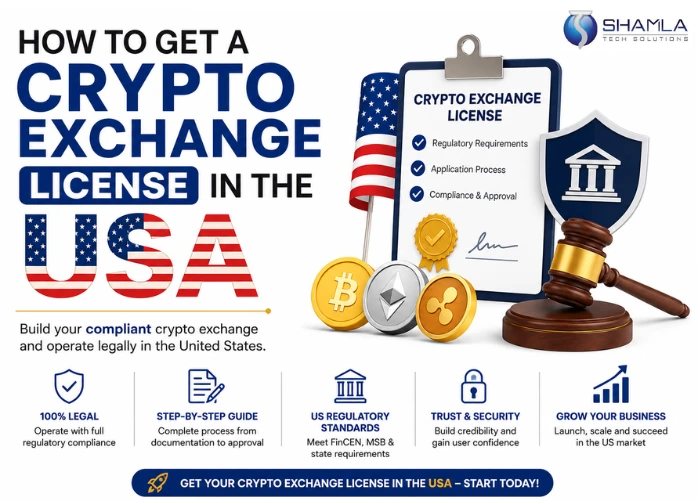
Regulatory Licensing Alignment | Supports compliant structuring under SEC, VARA, MAS, FINMA, FCA, and EU digital asset frameworks |
Investor Verification Controls | Enforces KYC, AML, accreditation screening, sanctions checks, and jurisdiction-based investor eligibility |
Smart Contract Audit Governance | Protects token issuance logic, ownership rules, distributions, and transfer execution from exploitable vulnerabilities |
Qualified Custody Architecture | Secures tokenized ownership through institutional wallet governance, access controls, and recovery protocols |
Data Protection Compliance | Aligns investor data handling with GDPR, PDPA, regional privacy mandates, and documentation governance |
Transfer Restriction Enforcement | Prevents unauthorized secondary transfers through programmable jurisdiction and investor eligibility controls |
Regulatory Alignment Across Global Jurisdictions
Institutional Investor Verification and AML Enforcement
Independent Smart Contract Audit and Governance Controls
Qualified Digital Custody and Access Security
Cross-Border Data Privacy and Compliance Record Governance
Programmable Secondary Market Transfer Restrictions
Transform Real Estate Assets Into Scalable Digital Investments
Real-World Use Cases of Tokenized Real Estate Investments in Global Markets
U.S. Commercial Real Estate Fractional Ownership
Dubai Luxury Real Estate Global Capital Access
Singapore-Based Commercial Real Estate Structuring
Hospitality Asset Tokenization in Tourism-Driven Markets
European Yield-Focused Property Investment Access
Emerging Market Developer Capital Formation
Wrapping Up
Cross-border real estate access is becoming a strategic infrastructure question rather than a capital exclusivity issue. Enterprises that establish compliant tokenization capabilities today position themselves to capture international investor demand, unlock new fundraising models, and structure globally accessible property investment ecosystems.
The long-term advantage will belong to platforms that combine regulatory credibility, institutional security, and operational execution at scale. Tokenized real estate investments are establishing a new framework for global capital participation, where access, governance, and investment efficiency become measurable competitive differentiators.
Build a Scalable RWA Platform for Tokenized Real Estate Investments with Shamla Tech Solutions
Shamla Tech Solutions builds scalable RWA platforms for enterprises launching tokenized real estate investments across global markets. We develop infrastructure for asset tokenization, investor onboarding, compliance automation, ownership management, and secure transaction workflows designed to support institutional-grade digital real estate ecosystems.
Our team delivers end-to-end real estate tokenization platform development aligned with global regulatory expectations, including jurisdiction-aware compliance frameworks, smart contract architecture, custody-ready infrastructure, and secondary transfer controls. We help enterprises create secure, scalable platforms built for cross-border investor participation and capital growth.