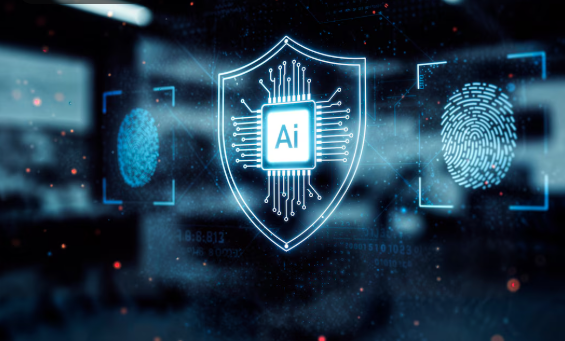

This is where AI in biosecurity is redefining the rules. Artificial intelligence enables continuous threat monitoring, early anomaly detection, predictive outbreak modeling, and automated response coordination at a scale no human system can match. Increasingly, AI in biosecurity is being reshaped not just by scientific breakthroughs but by enterprise AI software, AI-powered biosecurity systems, and advanced predictive analytics that turn biological risk into a manageable, measurable variable.
Role of AI in Biosecurity
- Making sure that safety and regulatory standards are met: AI solutions that help with biosecurity compliance enable businesses keep an eye on and follow safety rules automatically. They find gaps in policies, keep track of paperwork, and make sure that labs or businesses follow the right biosecurity rules without making mistakes by hand.
- Centralized Risk Management for Organizations: An enterprise biosecurity platform AI combines disease surveillance, data management, emergency response, and other safety features into one system. This lets organizations work together better and make timely, data-driven choices around AI in blockchain
- Using machine learning to increase detection: A machine learning biosecurity system learns from fresh data all the time to find unexpected patterns, find biological hazards, and make decisions more accurately. This makes biosecurity faster, smarter, and more dependable.
Top Benefits of AI-Powered Biosecurity Systems
- Faster Threat Detection and Response Time: AI-powered systems can swiftly look at big biological datasets to find strange trends or possible hazards. This lets people know about problems early and take quick action to stop them from spreading, which lowers the risk of bioterrorism or contagious diseases.
- Better Accuracy: AI makes things more accurate by reducing the chances of people making mistakes when they find biohazards. It helps make better forecasts, make decisions based on facts, and find infections and other biological threats more accurately by analyzing data in real time.
- Cost-Effective Monitoring and Risk Management: AI takes care of repetitive monitoring chores, which saves money on manpower and operations. With built-in device security, it also offers continuous, safe monitoring, which helps governments and businesses manage threats more effectively while saving time and money.
The Future of AI in Biosecurity
- Integration with Blockchain and IoT for Secure Monitoring:
Using AI in Blockchain and IoT together makes it possible to track biological data in real time, without anyone being able to change it. This combination makes monitoring global bio-threats more accurate, accountable, and secure.
- Predictive Modeling for Future Bio-Threats:
AI-powered predictive models look at large amounts of data to find early signals of possible epidemics. By recognizing risk trends, authorities can take action before dangers get worse, which saves lives and reduces damage.
- Policy and Cooperation for Safer AI Deployment:
Governments, scientists, and businesses must work together to create strong policies and worldwide frameworks to make sure AI is used in a safe and ethical way. This makes sure that AI in biosecurity without putting data privacy or misuse at risk.
Conclusion
By combining AI-powered biosecurity systems, predictive analytics, AI automation, enterprise AI software, AI consulting services, AI development solutions, and AI Powered biosecurity systems, biosecurity is transforming from a reactive defense into a proactive, intelligence-driven discipline.