

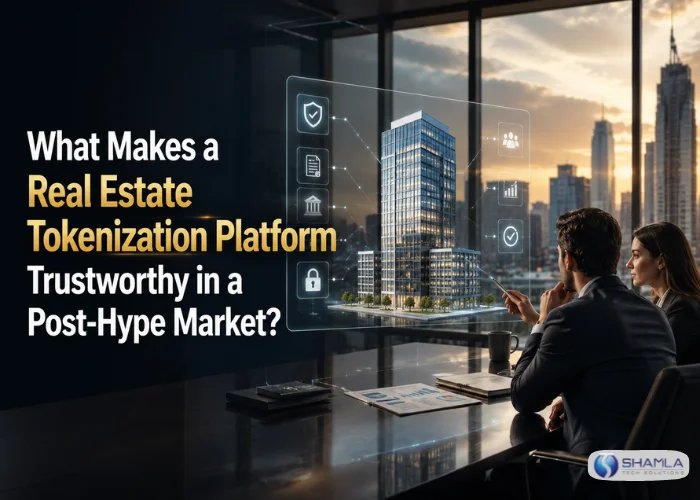
For investors, trust is no longer built through ambitious promises or speculative market narratives. A real estate tokenization platform earns […]
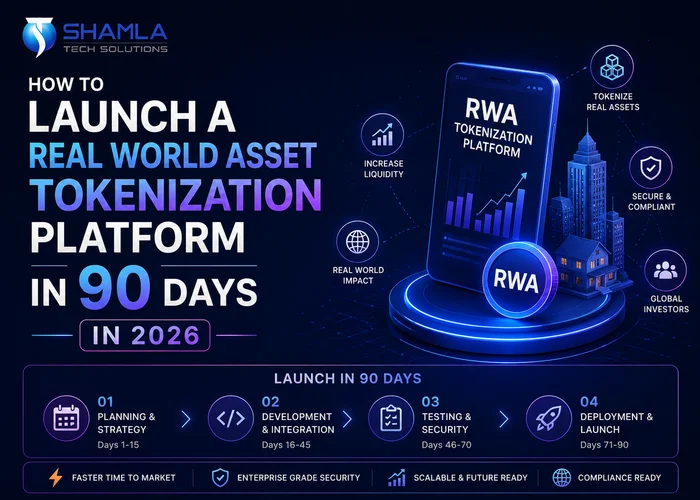
The tokenization of real-world assets (RWAs) is no longer a futuristic concept discussed only within blockchain circles. In 2026, it […]
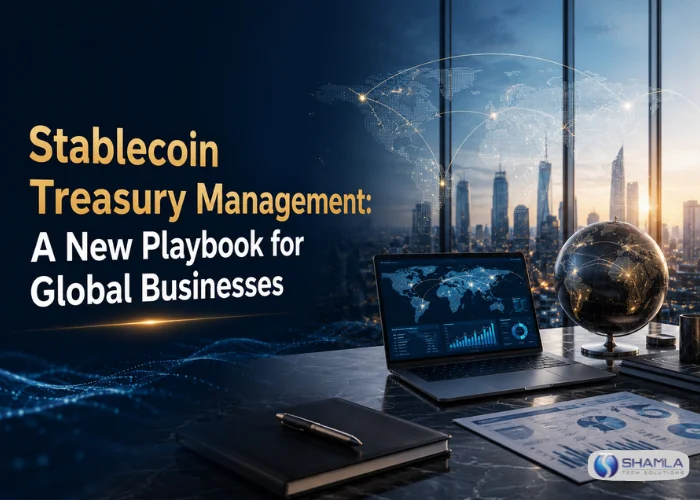
Corporate treasury teams oversee the movement of capital across suppliers, subsidiaries, banking partners, and international markets. As organizations expand their […]

Small and medium-sized enterprises are expanding beyond conventional funding channels to unlock capital from business-owned assets. Commercial property tokenization enables […]
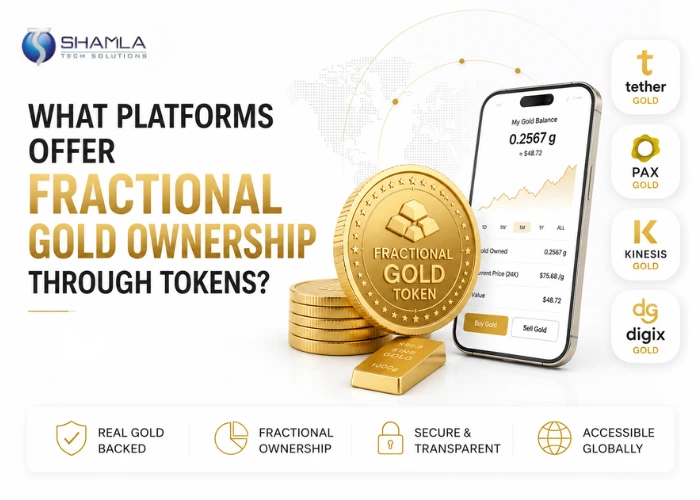
Gold is trusted, but owning it is not always simple. Buyers have to think about purity, storage, insurance, transport, resale […]
Cross-border payments continue to influence global trade, yet settlement timelines remain a significant challenge for enterprises managing international suppliers, treasury […]