

Crypto Exchange is becoming one of the most important tools for crypto adoption in 2026. More exchanges are getting built with new features and current trends. Being the best crypto exchange in 2026 is totally dependent on the speed, liquidity, customer support, live chat feature, transaction speed, security and overall user experience. There are two types of crypto exchanges like Centralized Exchange and Decentralized Exchange. Each has their own use cases. Let’s discuss the most important cryptocurrency exchange applications in the real world.
What is a Crypto Exchange?
Cryptocurrency exchanges are the platforms or a place where you can purchase, sell, or trade cryptocurrencies. Think of them like a stock market for digital currency. They let you trade your Bitcoin for Ethereum or turn your dollars into a stablecoin.
There are two primary types of exchanges: centralized and decentralized. Centralized ones, such as Binance, have a firm that runs everything for them. They usually have better customer service and security. You can trade directly with other people on decentralized exchanges, or DEXs. This gives you more control over your assets.
If you are looking for crypto trading platform use cases, look for an exchange that has minimal costs and rapid transactions when you choose one. If you want to move a lot of money, check to see if the platform has withdrawal limits. If you need to send money to a lot of people, look for a service that offers mass payouts. Before you start trading, think about what’s important to you, as each exchange has its own benefits and cons.
How Does a Crypto Exchange Work?
An exchange is a place where individuals or companies will trade their cryptocurrency. Main cryptocurrency exchange applications is that it allows anyone to buy or sell crypto for another cryptocurrency.
The benefits of crypto exchanges and crypto trading platform use cases includes that it allows crypto exchanges with both cryptos and fiat. Exchanges show the exchange rate for any trade pair they support, whether it’s crypto-to-crypto (like BTC:ETH) or fiat-to-crypto (like USD:BTC). Clients can trade by putting buy and sell orders in the exchange’s order book. The exchange’s job is to match up the right orders to make transactions, and it may charge a small fee for this service.
Major benefits of crypto exchanges is that the well-known cryptocurrency exchanges go to great lengths to keep their clients’ money safe. then retain just enough in a hot wallet to make transactions go smoothly, and then lock the rest away safely in cold storage offline.
Types of Crypto Exchanges
Exchange Type | Description | Key Advantage | Example Use Case |
Centralized Exchange (CEX) | Operated by a central authority | Easy to use, high liquidity | Beginner trading |
Decentralized Exchange (DEX) | Peer-to-peer trading via smart contracts | Full control, privacy | DeFi trading |
Hybrid Exchange (HEX) | Combines CEX + DEX features | Speed + security | Advanced traders |

Why Crypto Exchanges Are Important in 2026
From 2025 to 2032, the crypto exchange market is expected to reach USD 260.17 billion at a CAGR of 20.3%. Changes in the rules and the market don’t stop the global crypto market from growing. Both retail and institutional investors want trading platforms that are safe, fast, and dependable.
Cryptocurrency exchanges are the first step between the real world of money and the digital world of money. They are becoming the financial infrastructure of 2026 because of the following reasons.
Globally Increasing Trading Volume
- As more people around the world use cryptocurrencies, trading volumes are going up. This means that more exchanges need to settle trades faster, with greater liquidity, and keep up their performance at scale.
Better Regulatory Clarity Across Markets
- The clear rules in significant areas and crypto trading platform use cases make users and institutions more confident, which leads to exchanges using compliance-first development approaches.
More Institutions Getting Involved
- This needs enterprise-level security, open operations, and enhanced trading capabilities to speed up institutional participation. This is a recipe for changing how exchanges are made and run and it is one of the major benefits of crypto exchanges.
Early Investment Creates Market Advantage
- Businesses that invested early get a competitive edge by establishing scalable, compliant, and future-ready innovation platforms with the help of crypto exchange development services.
Increased Security and Liquidity Have Become Imperative
- So, strong security standards, better ways to move money around, and support for more than one type of instrument have all become necessary for venues that want to flourish in a real and lasting way.
Web3 Maturity Redefines Market Leadership
- As more people start using Web3, 2026 will be the year when well-planned and well-built exchange development will clearly set market leaders apart from followers.
Top Crypto Exchange Use Cases
The leading crypto exchange use cases span trading, payments, investing and beyond. Each is enabled by the infrastructure exchanges provide. Key use cases include:
Cryptocurrency Trading Use Cases
The most obvious way to use an exchange is to buy, sell, and speculate on tokens. Exchanges pool liquidity for hundreds or thousands of crypto pairs, which makes it possible to quickly execute trades and get the best prices. These platforms are used by advanced traders 24/7: The daily trading volume on crypto exchanges around the world has been huge. In 2025, it reached $1.31 trillion in a single day.
Cross-Border Crypto Payments Use Cases
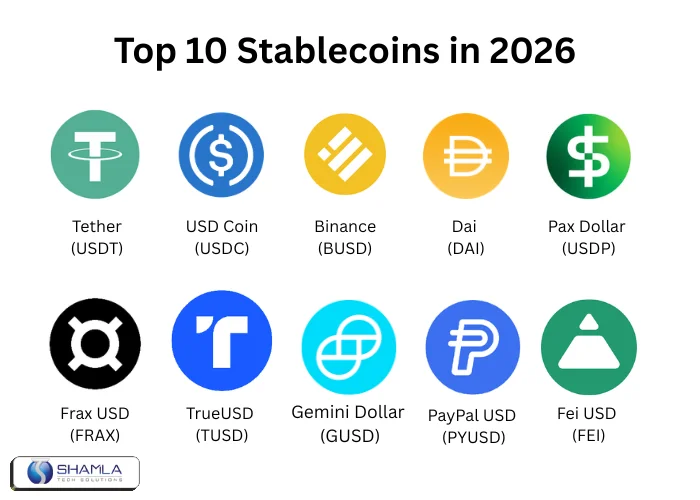
Crypto exchange for cross border payments are a modern, affordable way to do banking that doesn’t use SWIFT. Customers or businesses can change fiat money into stablecoins (like USDC) or crypto on an exchange, transmit it to another country right away, and then off-ramp it back home. Stablecoins settle in seconds, work all the time, and don’t need correspondent banks.
Business Payments Use Cases - Major Cryptocurrency exchange applications
More and more crypto exchange for business payments to handle or accept bitcoin payments and crypto portfolio diversification. Businesses can send and receive crypto payments by connecting to exchange custody or utilizing stablecoins. Recent polls indicated that half of enterprises with $500 million or more in sales already accept cryptocurrency payments. This number is growing, even among smaller businesses. Exchanges make this easier by immediately changing crypto into local cash or keeping balances in stablecoins. According to 39% of CFOs, crypto also makes things run more smoothly across borders and protects client privacy.
Token Launch Platforms (IEO/IDO) - Crucial Crypto Trading Platform Use Cases
Many new cryptocurrency companies get money through token sales that take place on exchanges (Initial Exchange Offerings or Decentralized IEOs).
In this arrangement, an exchange like Binance or OKX picks out and promotes a new token sale on its platform. Once a sale is made, the token is instantly available for trade on that exchange.
This gives issuers quick access to cash and the exchange’s user base. This use case speeds up blockchain fundraising because projects may safely reach investors all across the world through the exchange’s compliance infrastructure. For instance, Binance Launchpad and other such programs have helped fledgling crypto ventures get millions of dollars.
In 2026, more tokenized firms will probably choose IEO/IDO routes on exchanges. These routes combine technical issuance, KYC, and market access into one smooth process.
Secure Asset Storage Use Case
For a lot of people, an exchange is also a wallet and a place to keep things safe and crypto staking platforms The Future of crypto exchanges 2026 is evolving still. Customers can safely deposit their assets at the best exchanges because they spend a lot of money on security (cold storage, multisig wallets, insurance). Regulated exchange custodians are used by institutions to protect huge amounts of money, relying on KYC/AML compliance and audit trails.

Real-World Examples of Crypto Exchange Use Cases
Exchanges serve many types of users: from individuals to global institutions. Here are representative examples:
Individual Traders
Many individuals use crypto exchanges for trading. Some individuals use this platform to invest in Altcoins like Solana, Ethereum etc.,
Companies
Companies leverage exchanges in payments and treasury and use crypto exchange for business payments. A U.S.-Mexico retailer, for instance, might convert USD to stablecoins on an exchange and send them to a Mexican partner, saving on transfer fees.
Startups and Entrepreneurs
New blockchain projects often rely on exchanges for funding and distribution. They use crypto exchange for cross border payments and crypto exchange for business payments.
Institutional Investors
Hedge funds and institutional traders use exchanges for large-scale trading and crypto staking platforms. A crypto investment fund and AI crypto trading platforms might execute block trades on a regulated exchange or use OTC desks integrated with exchanges for deep liquidity.
Key Benefits of Crypto Exchanges
Here are some of the key crypto payment use cases and crypto trading use cases.
- Speed and Availability: Unlike banks, crypto exchanges operate 24/7. The transaction speed is relatively high.
- Cross-boarder Transaction: In traditional banking, it is very costly to do overseas transactions and it will consume a lot of time. But in crypto exchanges, the cross border transactions are swift and cheap.
- Low Cost: Blockchain settlements cut out many intermediaries. Stablecoin-powered transfers reduce reconciliation overhead and fees.
- Global Access: Crypto exchanges are inherently global platforms. Anyone with internet access can open an account. It avoids KYC and any form of registrations.
- Deep Liquidity: The scale of top exchanges provides strong liquidity. As noted, Binance alone handles ~21% of volume, and the combined top three (Binance, Coinbase, Kraken) account for most spot trading.
Challenges and Risks of Crypto Exchanges
Despite their advantages, crypto exchanges face notable risks that shapes of future of crypto exchanges 2026
- Security Vulnerabilities: Exchanges are major targets for cybercrime. In fact, Kroll reports that nearly $1.93 billion was stolen in crypto-related crimes during the first half of 2025. Even a single breach can cause huge losses – for example, past exchange hacks have wiped out customer funds.
- Slippages – If there is not enough liquidity there are chances of slippages and arbitrages. This can affect customer funds. Most recently someone who bought AAVE for 50 million dollars went through major slippage.
- Regulatory Compliance: The crypto space operates under evolving laws. Exchanges must navigate a patchwork of rules (securities laws, AML/KYC requirements, tax laws, etc.).
- Market Volatility: Cryptocurrencies are famously volatile. Prices can swing violently day-to-day. Exchanges facilitate these swings and offer leverage trading, which amplifies risk.
- Counterparty Risk: On centralized platforms, you must trust the exchange itself. Past cases (e.g. FTX, Mt. Gox) show that an exchange’s collapse can wipe out balances.
Future of Crypto Exchanges 2026
The crypto exchange space is rapidly evolving. Key trends to watch in 2026 include and crypto payments use cases is evolving
- AI and Advanced Trading Tools: Artificial intelligence will further transform exchanges. We expect more AI-driven trading bots and predictive analytics integrated on platforms.
- Tokenization of Real-World Assets (RWA): Exchanges will play a role in bringing real-world assets on-chain. Grayscale forecasts that tokenized equity and bond markets could grow 1,000× by 2030
- Hybrid Exchange Models: As mentioned, hybrid platforms that blend CEX/DEX features are rising. For example, users may keep private keys while still using an order book, or blockchains may offer on-chain order-book engines.
- Regulation and Compliance Tools: Regulatory frameworks are tightening globally (e.g. MiCA in the EU, new crypto laws in the US expected in 2026
- User Experience and Integration: Exchanges will strive for smoother UX – integrating onramps/offramps, mobile wallets, and direct apps.
Conclusion
Crypto exchanges have become complex platforms that are at the center of the digital asset ecosystem. The crypto trading use cases will go much beyond buying and selling by 2026. They make cross-border payments possible, help businesses manage their cryptocurrencies, help tokens get off the ground, and even open doors to DeFi. The industry’s rapid growth (with exchanges handling tens of trillions of dollars in volume) shows how important they are. At the same time, they provide perks that existing companies can’t match, such as 24/7 worldwide access, strong liquidity, and inexpensive fees. Businesses of all kinds are taking advantage of these benefits: PayPal says that half of big businesses accept crypto payments, and CFOs expect crypto to be part of their financial plans. In the future, new technologies like AI-driven trading and asset tokenization are likely to make exchanges even more important. In short, bitcoin trading apps are now an important component of the real-world financial scene, and they will probably become even more popular and flourish in 2026 and beyond.
FAQs
1. What are crypto exchange use cases?
Use cases for bitcoin exchanges are how consumers and corporations use them. Cryptocurrency trading, crypto payments, token sales, liquidity provision, and investment diversification are common use cases. Exchanges allow AI trading bots, passive income staking, and DeFi/Web3 services in 2026.
2. How do crypto exchanges work?
Basic crypto exchanges connect buyers and sellers. Users deposit fiat or crypto funds on a controlled exchange and place orders at preferred prices. The exchange’s matching engine executes compatible buy/sell orders. Fees apply to transactions. Smart contracts match trades from users’ wallets on decentralized exchanges. All exchanges keep balance ledgers and update them after trading. They rely on liquidity, which exchanges either gather internally (CEX) or connect to on-chain pools.
3. Why are crypto exchanges important?
Traditional finance and crypto are connected by exchanges. They let anyone acquire Bitcoin and move wealth globally in the crypto market. They have substantial liquidity and 24/7 service, unlike traditional markets. This makes them essential for real-time worldwide trade. As acceptance develops, exchanges allow businesses and consumers use cryptocurrency’s speed, cheap cost, and transparency. They innovate; many new tokens are exchange-only. Exchanges offer the infrastructure that powers the crypto economy.
4. Can businesses use crypto exchanges?
Yes. Many companies utilize crypto exchanges for payments and treasury. An exchange account lets companies accept crypto payments from customers, make cross-border stablecoin payments, and invest corporate cash in digital assets. Many organizations, particularly major ones, have integrated crypto payments, according to surveys. Dedicated accounts, rapid fiat conversion, and compliance help are common business services on exchanges. Thus, businesses use crypto exchanges to increase payment alternatives, lower transfer costs, and access new financial products.