


Home » Stable Coin » Stablecoin Reserve Management in Singapore: Best Practices for Security and Compliance

Stablecoin Reserve Management in Singapore: Best Practices for Security and Compliance

Share this article:
stablecoin reserve management in Singapore
Table of Contents
About the Author
Balaji
CEO of Shamla Tech, specializes in crypto exchange development, RWA tokenization, blockchain infrastructure, AI solutions, and compliance-ready platforms. He helps enterprises address regulatory, security, and scalability challenges while driving real-world adoption of emerging technologies across industries.
Connect On:

Stablecoins derive their value from the quality, liquidity, and accessibility of the assets backing them. For issuers operating in regulated financial environments, reserve management serves as the foundation for price stability, investor confidence, redemption efficiency, and long-term market credibility.

Singapore has established one of the world’s most structured frameworks for stablecoin issuance, placing strong emphasis on reserve asset protection and redemption standards. With stablecoin markets exceeding $250 billion globally, effective stablecoin reserve management in Singapore has become a critical requirement for compliant issuers.

This article explains the fundamentals of stablecoin reserve management in Singapore, the regulatory expectations governing reserve assets, key security practices for safeguarding reserves, and the compliance measures organizations can implement to maintain transparency, operational integrity, and regulatory readiness.

Launch Secure Stablecoin Solutions In Singapore

What Is Stablecoin Reserve Management and Why It Matters in Singapore

Stablecoin reserve management refers to the processes, controls, and policies used to maintain the assets backing a stablecoin. These reserves are typically held in cash, cash equivalents, or short-term government securities to support redemption obligations and preserve price stability.

In Singapore, reserve management plays a central role in stablecoin issuance because regulators require reserve assets to be properly safeguarded, liquid, and independently verifiable. A well-structured reserve framework strengthens institutional confidence, supports regulatory compliance, and enables reliable financial operations at scale.

Why Stablecoin Reserve Management Is Critical For Issuers In Singapore:

  • Stablecoin reserve management ensures that every token issued is supported by appropriate reserve assets capable of meeting redemption requests. This strengthens confidence among token holders, institutional partners, and regulators while supporting the stablecoin’s long-term operational stability.


  • Effective reserve management enables issuers to maintain sufficient liquidity across varying market conditions. By aligning reserve holdings with redemption obligations, organizations can support efficient treasury operations while ensuring uninterrupted access to funds when redemptions occur.


  • The quality and segregation of reserve assets play an important role in mitigating financial and operational risks. Strong reserve governance frameworks help issuers manage asset concentration risks, improve accountability, and strengthen overall financial resilience.


  • The Monetary Authority of Singapore (MAS) requires reserve assets backing regulated stablecoins to maintain a value equal to at least 100% of the par value of all stablecoins in circulation. This requirement places reserve management at the center of liquidity planning, asset protection, redemption readiness, and regulatory compliance for issuers operating in Singapore.


  • Well-managed reserves also strengthen relationships with banks, custodians, payment providers, and enterprise clients. Organizations that demonstrate transparent reserve practices are better positioned to expand stablecoin adoption across payments, settlements, and tokenized financial ecosystems.

Regulatory Framework Governing Stablecoin Reserve Management in Singapore

Singapore has established a dedicated regulatory framework for stablecoins through the Monetary Authority of Singapore (MAS). The framework sets clear requirements for reserve asset backing, redemption rights, disclosures, audits, and issuer governance, creating a structured environment for compliant stablecoin reserve management and institutional participation.

Regulatory Area

MAS Requirement

Why It Matters

Reserve Asset Backing

Reserve assets must equal at least 100% of stablecoins in circulation

Supports redemption obligations and price stability

Asset Quality

Reserves should consist of low-risk, highly liquid assets

Enables efficient liquidity management and reserve protection

Asset Segregation

Reserve assets must be separated from operational funds

Safeguards reserve holdings from business liabilities

Redemption Rights

Holders must be able to redeem stablecoins at par value

Strengthens user confidence and liquidity assurance

Independent Verification

Regular attestations and audits are required

Promotes transparency and regulatory compliance

100% Reserve Asset Backing

The Monetary Authority of Singapore (MAS) requires regulated stablecoins to maintain reserve assets equal to at least 100% of the par value of all stablecoins in circulation. For issuers, this requirement establishes a direct link between token issuance and reserve availability, reducing redemption risk and strengthening confidence among institutional partners, regulators, and users. Maintaining full reserve backing also supports financial stability by ensuring that circulating supply is always matched by verifiable underlying assets.

Low-Risk and Highly Liquid Reserve Assets

Reserve quality is a key component of stablecoin reserve management in Singapore. MAS expects reserve assets to consist of low-risk and highly liquid instruments that can be converted into cash with minimal delay. This requirement enables issuers to process redemption requests efficiently while minimizing exposure to market fluctuations. A well-structured reserve portfolio also supports treasury management objectives and improves the issuer’s ability to maintain operational continuity.

Segregation of Reserve Assets

MAS requires reserve assets to be segregated from an issuer’s operational and corporate funds. This measure protects reserve holdings from business-related liabilities and creates a clear separation between customer-backed assets and organizational capital. Asset segregation also simplifies auditing and compliance activities while providing stakeholders with greater assurance that reserves remain available exclusively for stablecoin redemption and related obligations.

Par Value Redemption Requirements

Singapore’s regulatory framework requires stablecoin holders to have the ability to redeem their tokens at par value. To satisfy this requirement, issuers must maintain sufficient liquidity, establish efficient redemption procedures, and implement operational controls that support timely settlements. Strong redemption mechanisms contribute to market confidence and help ensure that the stablecoin continues to function as a reliable medium for payments, settlements, and financial transactions.

Independent Audits and Reserve Attestations

Regular audits and independent reserve attestations are essential components of the MAS stablecoin framework. These assessments provide external verification that reserve assets are maintained in accordance with regulatory requirements and accurately reflect outstanding stablecoin liabilities. For issuers, independent verification enhances transparency, strengthens governance practices, and provides regulators, banking partners, and institutional clients with confidence in the integrity of reserve management operations.

Best Practices For Securing Stablecoin Reserves Against Financial And Cyber Risks
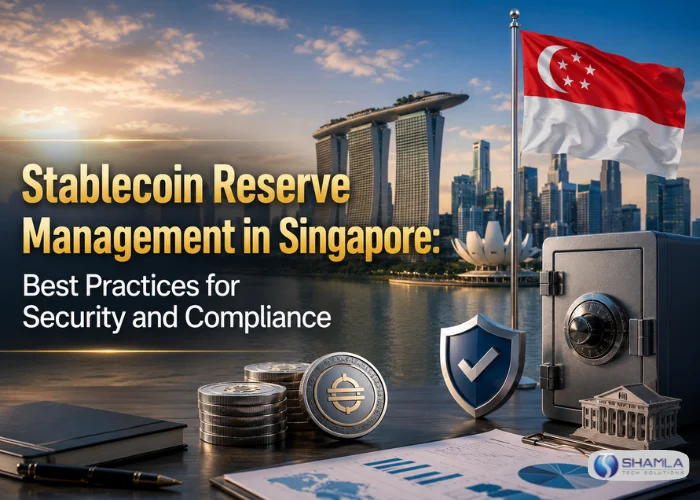
Best Practices For Securing Stablecoin Reserves Against Financial And Cyber Risks

1. Implement Multi-Layer Custody and Access Controls

Stablecoin reserves should be protected through a combination of institutional-grade custody solutions, role-based access controls, and multi-signature authorization mechanisms. Restricting reserve access to authorized personnel reduces operational risk and strengthens asset security. A multi-layer custody framework also creates accountability, improves governance, and minimizes the likelihood of unauthorized transactions affecting reserve assets.

2. Diversify Reserve Asset Exposure

Concentrating reserves within a single institution, asset class, or financial counterparty can increase risk exposure. Issuers should establish diversification strategies that distribute reserves across multiple regulated banking partners and approved financial instruments. Diversification improves resilience against operational disruptions, counterparty failures, and liquidity constraints while supporting continuity in redemption and treasury management operations.

3. Conduct Continuous Reserve Monitoring

Reserve management requires ongoing oversight rather than periodic reviews. Real-time monitoring systems help issuers track reserve balances, liquidity positions, redemption activity, and operational anomalies. Continuous visibility enables faster decision-making, strengthens risk management capabilities, and allows organizations to identify potential issues before they affect reserve integrity or redemption performance.

4. Strengthen Cybersecurity Infrastructure

Cybersecurity plays a critical role in protecting reserve management systems, financial data, and operational processes. Issuers should implement robust security measures, including encryption, network monitoring, privileged access management, and regular penetration testing. A proactive cybersecurity strategy reduces the likelihood of data breaches, system compromises, and operational disruptions that could impact reserve management activities.

5. Establish Independent Auditing And Risk Governance

Strong governance frameworks help ensure that reserve management practices remain consistent with regulatory and operational requirements. Independent audits, internal risk assessments, and documented control procedures provide additional layers of oversight. Regular reviews improve transparency, support compliance objectives, and give stakeholders confidence that reserve assets are being managed according to established standards.

Develop Audit-Ready Stablecoin Reserve Infrastructure in Singapore

Maintaining Compliance Through Audits, Reporting, And Reserve Transparency in Singapore

Align Audit Practices With MAS Requirements

The Monetary Authority of Singapore (MAS) requires regulated stablecoin issuers to maintain strong oversight of reserve assets through independent verification mechanisms. Regular audits help confirm that reserve holdings accurately match circulating stablecoins and comply with MAS requirements. For issuers, audit readiness demonstrates financial discipline, strengthens stakeholder confidence, and supports ongoing regulatory compliance.

Establish Comprehensive Reporting Frameworks

Effective reporting is essential for maintaining compliance with MAS stablecoin regulations. Issuers should implement structured reporting processes that track reserve balances, asset composition, liquidity levels, and redemption activity. Comprehensive reporting enables organizations to demonstrate compliance during regulatory reviews while providing management teams with greater visibility into reserve management performance.

Support Independent Reserve Attestations

Independent reserve attestations serve as a key transparency mechanism within Singapore’s stablecoin framework. Third-party verification helps confirm that reserve assets are maintained in accordance with regulatory requirements and accurately reflect outstanding stablecoin liabilities. These attestations strengthen trust among regulators, banking institutions, investors, and enterprise users evaluating the issuer’s operational credibility.

Maintain Transparent Reserve Disclosures

Transparency remains a core expectation for regulated stablecoin issuers in Singapore. Organizations should provide clear disclosures regarding reserve asset allocation, custody arrangements, redemption mechanisms, and reserve management policies. Transparent communication supports informed stakeholder decision-making and demonstrates alignment with the governance and disclosure standards encouraged by MAS.

Strengthen Compliance Governance and Risk Oversight

Compliance requires ongoing coordination between legal, finance, risk, and operational teams. Issuers should establish governance frameworks that monitor regulatory obligations, assess reserve-related risks, and maintain internal controls. Strong oversight structures help organizations remain aligned with MAS expectations while supporting long-term operational resilience and regulatory readiness.

Final Thoughts

Singapore’s stablecoin framework, led by the Monetary Authority of Singapore (MAS), has established clear standards for reserve management, transparency, and issuer accountability. Organizations that align their reserve operations with these requirements can strengthen market credibility, support institutional engagement, and build greater confidence among stakeholders.

As stablecoin adoption expands across payments, settlements, and digital asset ecosystems, reserve management will continue to influence issuer trust and regulatory standing. Establishing a secure, transparent, and MAS-aligned reserve framework enables organizations to support sustainable growth while meeting the expectations of regulators, partners, and users.

Build Stablecoin Management Reserve Solutions in Singapore with Shamla Tech Solutions

At Shamla Tech Solutions, we develop stablecoin reserve management solutions designed to support regulatory compliance, asset transparency, and operational security. Our team helps organizations build the infrastructure required to manage reserve assets, monitor liquidity, and streamline reserve-related reporting processes.

From reserve tracking systems and redemption management modules to audit-ready reporting frameworks and compliance-focused architectures, we deliver solutions tailored to issuer requirements. Our expertise enables businesses to establish secure, scalable, and transparent reserve management operations aligned with Singapore’s stablecoin regulatory standards.


Build MAS-Compliant Stablecoin Reserve Management Systems

FAQs

What is stablecoin reserve management in Singapore?

Stablecoin reserve management in Singapore refers to the processes used to maintain, safeguard, monitor, and verify the assets backing a stablecoin. It includes liquidity management, reserve segregation, audits, reporting, and compliance measures required to support stablecoin issuance and redemption.

What reserve requirements does MAS impose on stablecoin issuers?

The Monetary Authority of Singapore (MAS) requires regulated stablecoins to be backed by reserve assets equal to at least 100% of the stablecoins in circulation. MAS also mandates reserve asset quality standards, segregation requirements, redemption rights, and independent verification mechanisms.

Why is reserve transparency important for stablecoin issuers?

Reserve transparency helps demonstrate that stablecoins are fully supported by underlying assets and managed according to regulatory requirements. Regular disclosures, audits, and attestations improve stakeholder confidence, support compliance efforts, and strengthen relationships with banking partners and institutional users.

How do independent audits support stablecoin compliance?

Independent audits provide external verification that reserve assets accurately reflect outstanding stablecoin liabilities and comply with applicable regulations. These assessments enhance transparency, improve governance standards, identify potential control gaps, and help issuers maintain regulatory readiness and operational accountability.

How can businesses build compliant stablecoin reserve management systems?

Businesses can implement reserve management solutions that support asset monitoring, liquidity management, reserve reporting, audit readiness, and compliance controls. A well-designed framework helps issuers maintain transparency, strengthen operational efficiency, and align reserve management practices with Singapore’s regulatory expectations.

Talk to Our Experts

Recent Posts