
✨ AI Summary A real estate tokenization solution makes property investment more accessible, liquid, and efficient by converting ownership rights […]
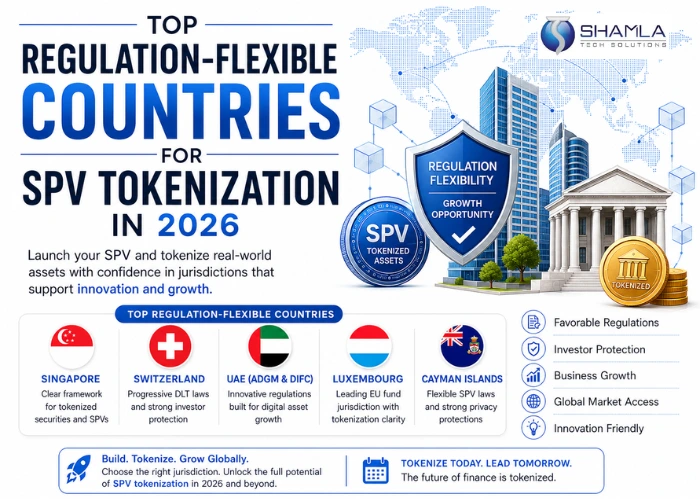
Choosing among the leading Flexible Countries for SPV tokenization is not merely a company incorporation exercise. The chosen location can […]

Artificial intelligence is evolving from simple chatbots and automation tools into intelligent agents capable of reasoning, planning, making decisions, and […]
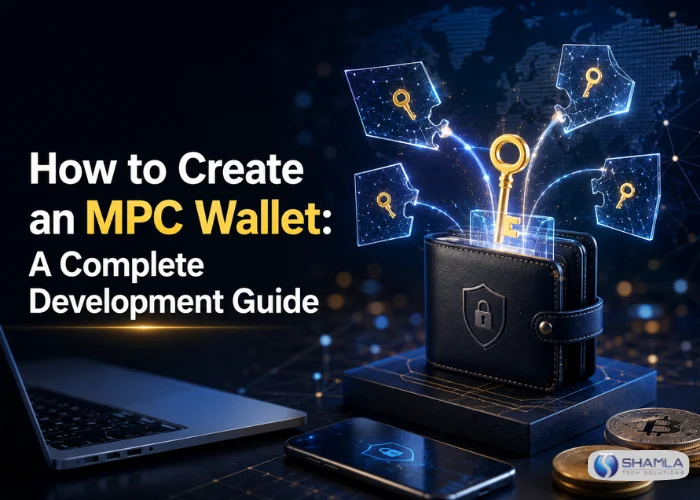
AI Summary MPC wallets improve crypto security by splitting signing authority into multiple key shares. No single person, device, or […]
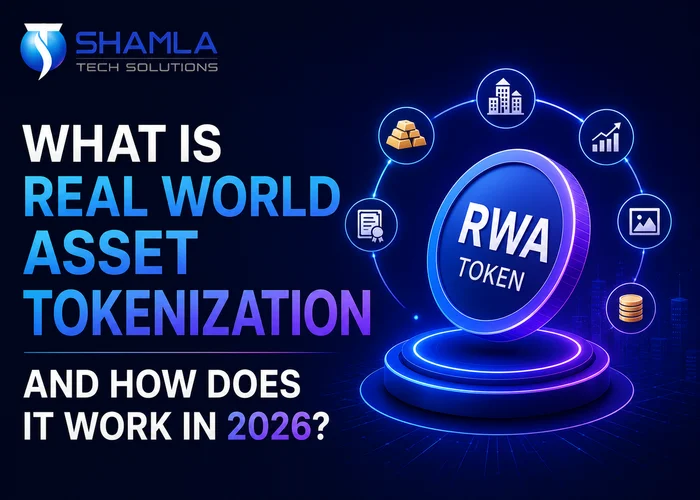
In 2026, the real-world asset tokenization market reached about $33.85 billion in distributed on-chain value and $340.10 billion in represented […]
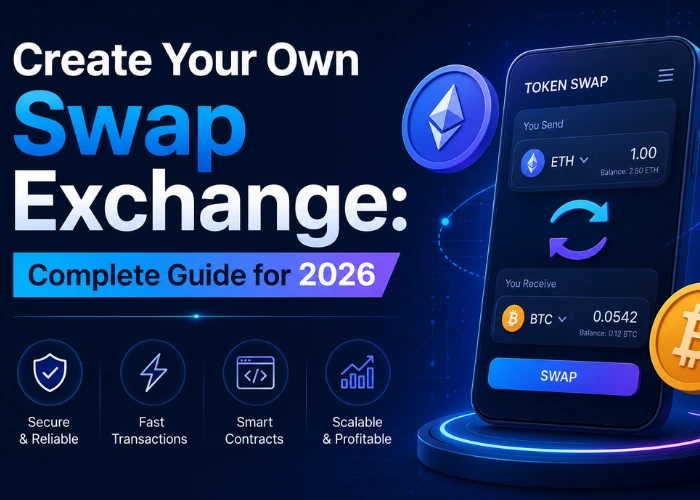
The rise of decentralized finance has fundamentally changed how digital assets are exchanged, eliminating the need for intermediaries while giving […]